When considering the construction of a new pole barn, one question often looms large: should you prioritize upfront costs or long-term expenses? This is a common dilemma for homeowners, farmers, and business owners alike. In this comprehensive guide, we’ll delve into the intricacies of upfront versus long-term costs associated with pole barns, ensuring you're well-informed before making your decision.
What Are Pole Barns?
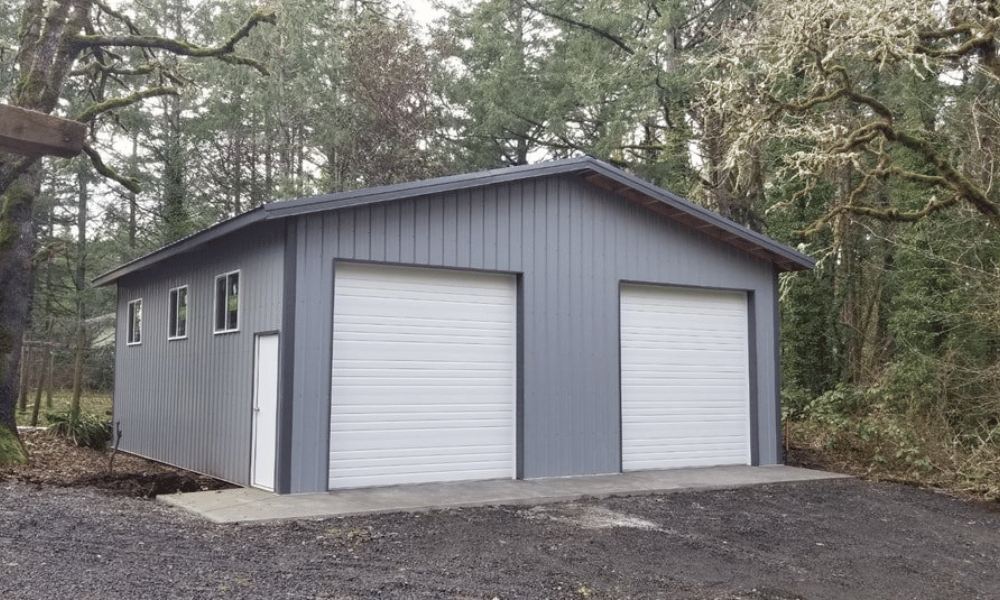
Before diving into the financial aspects, let's clarify what pole barns are. A pole barn is a type of post-frame construction that uses poles as the main structural supports. They're commonly used for agricultural purposes but have gained popularity for residential and commercial use due to their affordability and versatility.
Why Choose a Pole Barn?
- Cost-Effective: Compared to traditional building methods, pole barns require fewer materials and less labor. Versatile: They can serve multiple purposes—from storage to workshops to event spaces. Quick Construction: The building process for pole barns is typically faster than standard buildings.
Understanding Upfront vs Long-Term Costs in Your New Pole Barn
So, what exactly do we mean by upfront costs and long-term costs when it comes to pole barns?
Upfront Costs Explained
Upfront costs refer to all expenses incurred during the initial stages of construction. This includes materials, labor, permits, and any additional fees needed to get your project off the ground.
Components of Upfront Costs
Materials: The cost of wood, metal siding, insulation, roofing materials, and any finishing touches. Labor: Hiring contractors or workers skilled in building pole barns. Permits: Depending on your location, you may need various permits before starting construction. Site Preparation: Clearing land and preparing it for construction can add significant costs.Examples of Upfront Costs
| Item | Estimated Cost | |---------------------|------------------| | Lumber | $5,000 | | Roofing Materials | $3,000 | | Labor | $4,000 | | Permits | $500 |
Long-Term Costs Explained
On the other hand, long-term costs are those that accumulate over time after the initial build. These include maintenance expenses, operational costs (like utilities), insurance premiums, and potential renovations or expansions.
Components of Long-Term Costs
Maintenance: Regular upkeep like painting or repairs can add up quickly. Utilities: Electricity bills and heating/cooling expenses should be factored in. Insurance & Taxes: Annual premiums for property insurance can increase based on value assessments. Depreciation & Renovation: Over time, you may wish to renovate or expand your space.Examples of Long-Term Costs
| Item | Estimated Annual Cost | |---------------------|-------------------------| | Maintenance | $500 | | Utilities | $1,200 | | Insurance | $800 | | Property Taxes | Varies by location |
The Balancing Act Between Upfront and Long-Term Costs
Striking a balance between upfront expenditure and ongoing financial commitments is crucial when planning your new pole barn.
Making Strategic Decisions
When contemplating your investment:
- Assess the quality of materials; sometimes spending more upfront saves money on maintenance later. Consider energy-efficient options for utilities—investing now could lead to lower bills in the future.
Questions To Ask Yourself
- What is my budget for both upfront and ongoing expenses? How much usage will my pole barn see? Am I willing to invest more initially for better longevity?
Factors Impacting Your Decision-Making Process
Not all situations are created equal; various factors will influence whether you lean toward low upfront costs or long-term savings.
Your Intended Use Case
Are you using this space primarily for storage? Or will it double as a workshop? The answer will dictate how much you're willing to spend initially versus later.
Location Matters!
Different regions have varying construction codes and material availability which can affect both upfront prices and long-term durability.
Financing Your Pole Barn Construction
Financing strategies can help ease both upfront payments and manage long-term obligations effectively:
Loans vs Cash Payments
Deciding whether to finance through loans or pay cash impacts your financial trajectory immensely. Loans offer immediate access but come with interest rates that add up over time.
Budgeting Wisely
Use budgeting tools or consult with a financial advisor who understands real estate investments specifically related to agricultural structures like pole barns.
Comparative Analysis: Upfront vs Long-Term Costs in Pole Barns
To better understand how these two sides stack against each other financially:
1. Short-Term Thinking vs Long-Term Planning
Here’s how they differ:
- Short-term focus might save money today but could lead to higher operational costs down the road. Conversely, investing wisely today could yield lower maintenance and operational costs later.
Comparison Table
| Focus | Pros | Cons | |----------------------|------------------------------|----------------------------------| | Short-Term Thinking | Immediate savings | Potential higher future costs | | Long-Term Planning | Sustainable savings | Higher initial investment |
FAQs About Upfront vs Long-Term Costs in Your New Pole Barn
Here are some frequently asked questions regarding these important financial considerations:
1. What are typical upfront costs for building a pole barn?
Typical upfront costs vary widely based on size but generally range from $15-$30 per square foot including labor and materials.
2. How can I minimize maintenance costs over time?
Using high-quality materials at the outset can significantly cut down on future repairs; consider investing in durable roofing systems that last longer without issues.
3. Are there financing options available specifically for constructing pole barns?
Yes! Many lenders offer specialized loans tailored for agricultural buildings including competitive rates especially if collateral exists.
4. How does location impact my overall budget?
Construction codes differ across regions which may affect material pricing significantly; also consider local labor rates which could inflate your overall budget unexpectedly!
5. Should I prioritize energy efficiency when choosing materials?
Absolutely! Investing in energy-efficient insulation or solar panels may raise initial expenditures but greatly reduce monthly utility bills!
6. Is it wise to DIY certain aspects of my pole barn construction?
Doing some work yourself—like painting or minor finishes—can save money; however ensure you're skilled enough not to compromise safety local pole buildings contractors standards!
Conclusion
Navigating the waters between upfront versus long-term costs in constructing your new pole barn doesn’t have to feel overwhelming! By weighing your immediate needs against future implications thoughtfully—and considering factors such as intended use case—you’ll make informed decisions that benefit you down the line!
Remember: an investment today is likely an investment tomorrow too—so choose wisely! Whether you're looking at functionalities like storage solutions or envisioning potential expansions years ahead—the key takeaway here is balance!