Introduction
Building a pole barn, whether for agricultural purposes, storage, or even as a workshop, is an excellent choice due to its sturdiness and versatility. But how do you make your pole barn not just functional but also energy-efficient? In this article, we will delve into various strategies and techniques to enhance energy efficiency in your pole barn design. From materials to insulation and renewable energy options, we've got something for everyone interested in constructing or upgrading their pole barns.
Pole Barns: An Overview
What Are Pole Barns?
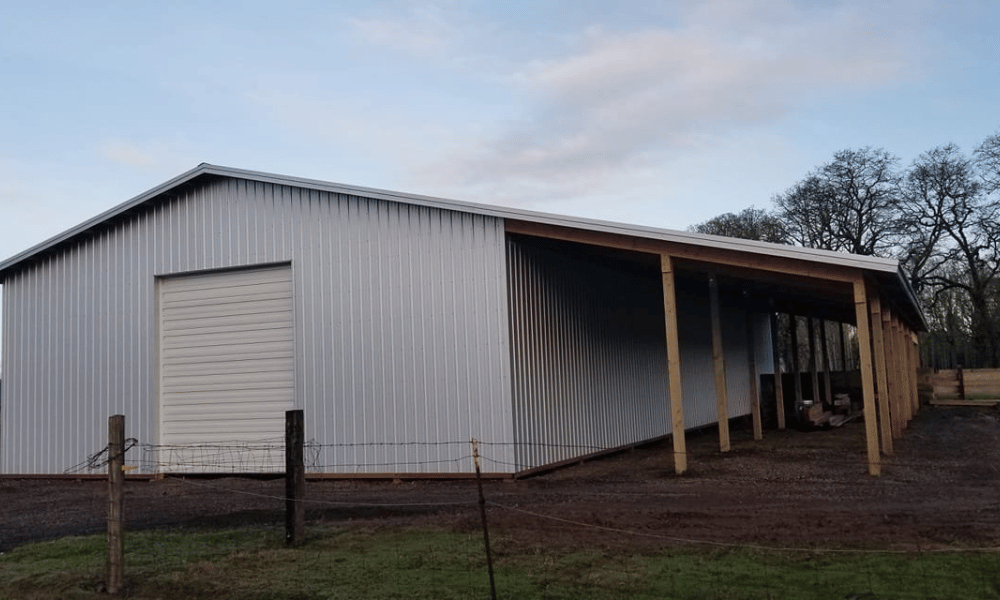
Pole barns are structures built using poles or posts anchored into the ground. These buildings are popular for their open floor plans that allow for flexible use of space. They typically have fewer interior supports compared to traditional buildings, making them ideal for activities such as farming, storage, workshops, and even recreational spaces.
The Benefits of Pole Barns
- Cost-Effectiveness: One of the main attractions of pole barns is their affordability. Versatility: They can serve multiple purposes. Durability: Built to withstand harsh weather conditions. Quick Construction: Easier and faster to build than conventional structures.
Why Focus on Energy Efficiency?
Understanding Energy Efficiency in Buildings
Energy efficiency refers to using less energy to perform the same task or achieve the same level of comfort. By enhancing energy efficiency in your pole barn design, you can save money on utility bills and reduce your carbon footprint.
Financial Benefits of Energy Efficiency
Investing in energy-efficient designs can lead to significant cost savings over time. Lower utility bills mean more money in your pocket!
insulated pole barn garageEnvironmental Impact
As climate change continues to be a pressing issue, reducing energy consumption becomes essential. Pole barns designed with energy efficiency in mind contribute positively to environmental sustainability.
Enhancing Energy Efficiency in Your Pole Barn Design
To truly enhance energy efficiency in your pole barn design, you need a comprehensive approach that considers everything from construction methods to daily operations within the barn. Let’s explore some critical factors that contribute to creating an energy-efficient pole barn.
Choosing the Right Location for Your Pole Barn
Site Orientation Matters
The orientation of your pole barn can significantly affect its energy use. Positioning it correctly can maximize natural light and minimize heating costs during winter months.
Considering Local Climate Conditions
Understanding local weather patterns will help you decide on materials and insulation needs. Is it hot? Cold? Humid? Each condition has unique requirements when designing an efficient structure.
Selecting Sustainable Materials for Construction
Using Recycled Materials
Incorporating recycled materials not only reduces waste but can also save money. Consider using reclaimed wood or metal siding wherever possible.
Evaluating Insulation Options
Insulation plays a crucial role in maintaining temperature control within the building. Look into eco-friendly insulation options like cellulose or wool that provide effective thermal resistance while being environmentally conscious.
Implementing Effective Insulation Techniques
Insulating Walls and Roofs Properly
The walls and roof are the biggest areas for heat loss or gain, depending on the season. Use high R-value insulation materials tailored for your climate zone.
Table: R-Value Comparison
| Insulation Type | R-Value per Inch | |------------------|------------------| | Fiberglass | 2.9 | | Cellulose | 3.6 | | Spray Foam | 6.0 |
Sealing Air Leaks
Air leaks around doors and windows can severely impact energy efficiency. Invest time sealing these gaps with caulk or weather stripping.
Utilizing Renewable Energy Sources
Solar Power Options for Pole Barns
Installing solar panels on the roof can significantly reduce electricity costs over time. Consider both grid-tied systems and off-grid solutions based on your needs.
Wind Turbines: Are They Worth It?
If you're in a windy area, small wind turbines could complement solar power systems effectively by generating additional electricity during windy conditions.
Incorporating Efficient Heating and Cooling Systems
Choosing the Right HVAC System
When selecting heating and cooling systems for your pole barn, consider models that boast high SEER (Seasonal Energy Efficiency Ratio) ratings for better performance without excessive energy consumption.
FAQ: What is SEER?
Question: What does SEER stand for?
Answer: SEER stands for Seasonal Energy Efficiency Ratio; it's a measure of how efficiently an air conditioning system operates over a typical cooling season.
Using Radiant Heat Systems
Radiant heating systems provide warmth by heating objects rather than air inside the building—ideal for large open spaces found in many pole barns!
Lighting Solutions: Maximizing Natural Light
Skylights vs Windows
Natural light is one of the best ways to enhance energy efficiency—consider installing skylights alongside strategically placed windows to illuminate interiors without relying solely on electric lights.
List: Types of Lighting Options
- LED lights Fluorescent lighting Skylights
Ventilation Strategies for Air Quality Control
Natural Ventilation Techniques
Utilizing natural ventilation helps maintain indoor air quality while reducing reliance on mechanical systems—think strategically about window placement!
Mechanical Ventilation Systems
For areas needing controlled climates (like livestock housing), mechanical ventilation systems might be necessary but always choose ENERGY STAR rated products when possible.
Landscaping Considerations
Using Trees as Windbreaks
Planting trees around your pole barn can serve as windbreaks which help minimize heating costs during cold months while providing shade during hotter seasons.
Table: Benefits of Landscaping Around Pole Barns
| Feature | Benefit | |------------------|----------------------------| | Windbreak Trees | Reduced heating costs | | Shade Plants | Lower cooling requirements |
Smart Technology Integration
Home Automation Systems
Consider integrating smart technology like programmable thermostats or smart lighting controls that adjust automatically based on occupancy levels—perfect when managing larger spaces!
List: Smart Technology Options
Smart Thermostats Automated Window Shades Motion Sensor LightsMaintenance Tips for Long-Term Efficiency
Regular Inspection Checks
Routine maintenance checks help catch potential issues early—inspect insulation integrity annually!
FAQ: How often should I check my insulation?
Question: How often should I inspect my insulation?
Answer: It's advisable to check insulation at least once a year or after significant weather events like storms or heavy snowfall.
Conclusion
Enhancing energy efficiency in your pole barn design goes beyond mere aesthetics; it balances functionality with sustainability while saving you money in utility costs over time! By considering all aspects—from location selection through material choices—you'll create an efficient space worthy of any intended use! So roll up those sleeves; it's time to get started on one fantastic project!
FAQs
Are there specific building codes I should follow when constructing a pole barn?- Yes! Always check local building codes before starting construction as they vary by region.
- Absolutely! Many upgrades like improved insulation or solar panel installations can make older structures more efficient.
- Adding foam board insulation within wall cavities is often effective without major renovations needed!
- Consult with solar providers who offer calculators based on current usage rates combined with local incentives available!
- Yes! Strategically placed trees provide shading while serving as windbreaks leading ultimately towards reduced heating/cooling demands!
6.*What’s one thing I should prioritize first when planning my new build?
- Start with site orientation—it sets everything else up successfully later down the line!*